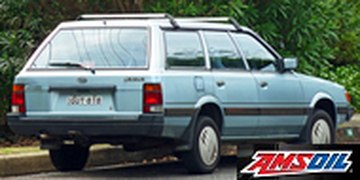
Engine Lubrication and Maintenance for the 1981 Subaru WAGON 1.8L
Maintaining the mechanical integrity of a vehicle like the 1981 Subaru WAGON requires a disciplined approach to routine service. With the EA81 engine, consistent attention to lubrication systems is a primary factor in managing the long-term health of the powertrain. Because this vehicle has been in operation for several decades, maintenance strategies should focus on monitoring current component conditions and ensuring that all fluid services are performed according to the specific requirements of the application.
Monitoring Fluid Integrity and Potential Seepage
As vehicles age, the materials used in various seals and gaskets may undergo changes in flexibility. For an owner of a 1981 Subaru WAGON, regular visual inspections can be a highly effective way to identify issues before they escalate. When performing routine maintenance, it is useful to look for signs of fluid seepage around the engine block and associated sealing surfaces.
Identifying these signs early allows for more controlled maintenance decisions. Rather than assuming a component has failed, an owner should look for evidence such as:
- Dampness or oily residue on the exterior of the engine housing.
- Accumulated grime in areas where fluids might collect.
- Discoloration on surrounding metal surfaces that may indicate slow seepage.
If any signs of leakage are observed, they should be investigated to determine if they represent an active leak or merely surface residue. Addressing minor seepage promptly can help maintain a clean engine environment and prevent the loss of necessary lubricants.
Observing Operational Indicators
Beyond visual inspections of the exterior, monitoring how the vehicle behaves during operation provides critical information regarding its lubrication status. Changes in the way an engine sounds or operates can be associated with various underlying conditions. It is important to remember that a single symptom does not provide a definitive diagnosis; rather, it serves as a prompt for further investigation.
An owner should remain attentive to several key indicators:
- Changes in lubricant appearance: If the oil appears excessively dark or shows signs of unusual texture when checked, it may warrant an earlier service interval.
- Unusual mechanical noises: Any new or persistent sounds coming from the engine area should be evaluated by a professional to ensure internal components are receiving adequate lubrication.
- Warning indicators: If the dashboard displays any oil-related warning lights, this requires immediate attention to prevent potential damage.
By staying observant of these subtle changes, an owner can transition from reactive repairs to more proactive, condition-based maintenance.
Prioritizing Maintenance Through Condition Assessment
For a vehicle of this age, the most effective way to manage upkeep is to prioritize tasks based on the actual current state of the machine rather than relying solely on chronological age. This approach helps distinguish between necessary repairs and unnecessary parts replacement.
When developing a maintenance plan for the 1981 Subaru WAGON, consider the following steps:
- Review service history: If available, previous repair records can provide a baseline of what has already been addressed and what components may be nearing the end of their service life.
- Establish a baseline: If no records exist, use a thorough initial inspection to document the current condition of all fluids, belts (if equipped), and hoses. This creates a starting point for future comparisons.
- Address active concerns first: If an inspection reveals an active leak or a significant change in fluid quality, these should take precedence over general preventive tasks.
This method ensures that maintenance efforts are directed where they will provide the most benefit to the vehicle's continued operation.
Managing Aging Engine Components
The 1.8L EA81 engine relies on various peripheral components to function correctly. As these parts age, their condition can vary significantly based on how the vehicle was previously operated and stored. When performing routine service, it is practical to inspect other age-sensitive areas that support the engine's environment.
If equipped, accessible drive belts should be checked for signs of deterioration such as cracking, glazing, or fraying. Similarly, if present, inspecting the condition of various hoses can help prevent unexpected failures. Even if these components appear functional, a periodic check allows an owner to monitor for gradual changes in material integrity. Furthermore, ensuring that electrical connections and wiring remain secure and free from corrosion is a vital part of maintaining the overall reliability of the engine's support systems.
The Role of Consistent Lubrication Service
Engine oil performs several essential roles that are critical to the operation of the 1.8L engine. Beyond simply reducing friction between moving parts, the lubricant helps manage heat within the engine and assists in cleaning internal surfaces by carrying away microscopic debris. Over time, even high-quality lubricants can lose their effectiveness due to thermal stress and exposure to combustion byproducts.
Regularly replacing the oil and filter ensures that the engine continues to benefit from the chemical properties intended to control oxidation and prevent the buildup of deposits. For an older vehicle, maintaining clean and fresh lubricant is one of the most effective ways to support the longevity of the internal components. Consistent service helps ensure that the lubrication system can continue to perform its duties effectively throughout the engine's operating cycle.
Practical Guidance for BUYING ENGINE OIL for your 1981 Subaru WAGON 1.8L
When it is time to replenish your engine oil, the most important step is to ensure that the product you select matches the specific requirements of your vehicle. Because different engines have unique needs regarding lubricant chemistry and flow characteristics, you should never rely on general automotive knowledge or assumptions based on the vehicle's age.
To make an informed purchase for your 1981 Subaru WAGON 1.8L, follow these guidelines:
- Match application information: Always refer to the specific viscosity and oil type instructions provided in the application information on this webpage. This is the most accurate way to ensure compatibility with your engine.
- Verify product labeling: Before completing a purchase, check the container label to confirm that the SAE viscosity and API service classifications align with what is required for your 1.8L EA81 engine.
- Consider formulation options: Depending on your specific needs and the current condition of your engine, you may choose between conventional, synthetic blend, or full synthetic oils. Some high-mileage oil formulations also contain additives intended for use in aging engines, including seal-conditioning additives.
By strictly adhering to the application-specific data provided on this page, you can ensure that your lubrication choices support the continued health and performance of your Subaru engine.